
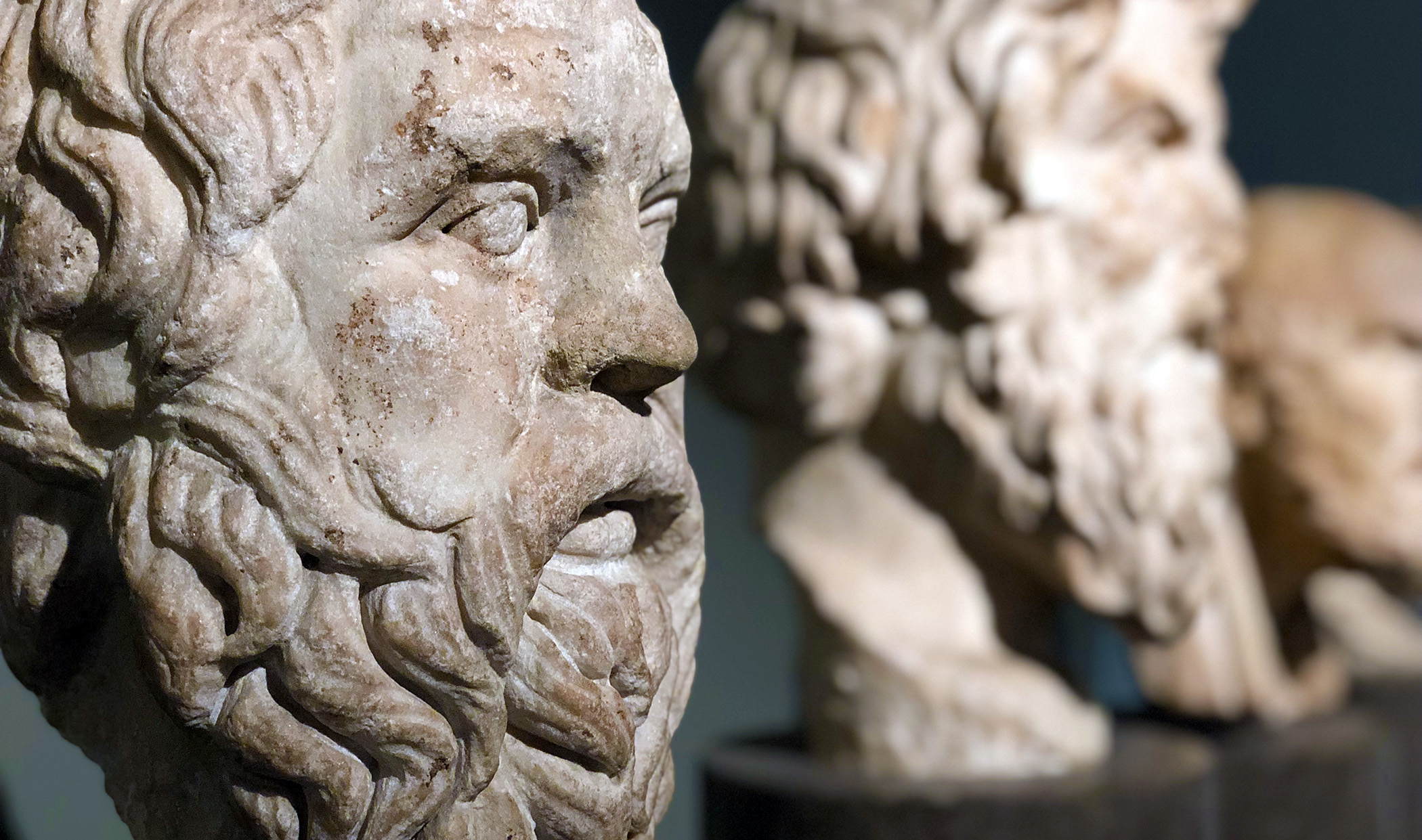
Personal Tutoring has been a recurring theme for me this week. I’ve experienced both challenging and rewarding aspects of the role recently, and it has got me wondering – what qualities to you need to be a ‘good’ Personal Tutor? And why does it matter?
Personal Tutoring is perceived and approached by colleagues in the higher education community in a variety of ways. Each academic department has its own systems and processes for supporting it, and individuals have variable attitudes towards the role.
As an Educational Developer with an institution-wide remit (and as a Personal Tutor myself), I’m always keen to gain insights into the specific issues encountered around this responsibility in different spaces. So when I was invited to a seminar on Personal Tutoring in the Department of Physics last Tuesday, I jumped at the chance.
One thing anthropology has taught me is that the challenges experienced by micro-cultures within an institution – and the best solutions for them – are always unique, variable and dynamic. One size never fits all. So it was fascinating for me to follow the discourse around this complex and sensitive topic among my colleagues in Physics.
I was encouraged to find that mental health was a major theme of the meeting, and that it was taken very seriously by everyone there. This is a big issue across the HE sector, and I’m aware that many institutions struggle to provide adequate support for students. I think Imperial’s Mental Health First Aid scheme is fantastic, and I’m keen to train up as a first-aider myself at the next opportunity.
Almost immediately after the meeting in Physics, I stepped straight into my own role as a Personal Tutor and held one-to-one meetings with some of my students.
I must admit, I love this aspect of my work. What a privilege it is to offer mentorship and support to others along their academic and professional journeys. The relationship between a student and their Personal Tutor is such an influential one, and it can have a massive impact on learners’ entire experience of higher education and lifelong learning.
On my own journey over the years, I have probably experienced the full variety of tutoring and supervisory styles. At one extreme, I’ve had PTs who told me at our first meeting never to bother them unless there was an emergency. At the other end of the spectrum, I’ve been lucky enough to encounter some who have taken this role very seriously.
To me, these empowering colleagues have been friends, mentors, confidants and heroes all in one, and I value the positive impact they have had on me beyond measure. I won’t embarrass them by naming them here, but I would certainly include my PhD, MSc and MSt supervisors among these highly-cherished influencers. I constantly draw from the examples they set for me, as I build relationships with my own students today.
So, if I could point to six essential qualities of a good Personal Tutor, based on the exemplary mentors I have learned from, I would probably suggest:
Empathy and patience, belief and trust, experience and expertise.
These are basic principles and some of them are commonly overlooked. But I think they’re all key attributes for what I believe to be the single most important goal of education – nurturing learner self-efficacy.
The ability to be conscious of, and able to deliberately design, one’s own ongoing learning is no minor accomplishment. It requires self-awareness, self-reflection and critical thinking – qualities that can be nurtured through mentorship.
It’s probably safe to say that developing self-efficacy as a learner demands much more from the teacher-student relationship than, say, basic competency in responding to instruction or digesting content. But the rewards are surely incomparable.
In a world where knowledge is constantly contested and established facts seem to change overnight, what greater advantage can educators offer students than the ability to independently seek, assimilate, interpret and evaluate concepts and ideas for themselves?
In my view, Personal Tutoring plays a unique and critical role in this process.



Thanks for sharing your insights.